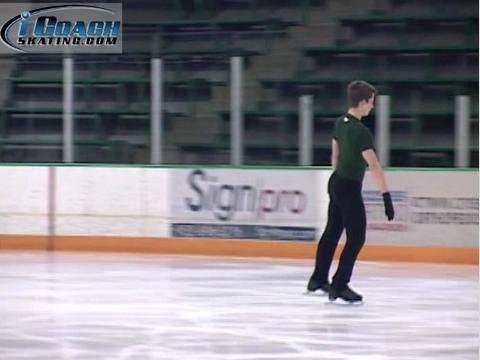
Jump specialist Trevor Laak offers 4 examples of double and triple axels showing how elite skaters use a pole-vaulting method to maximize jump height and create maximum rotational energy for the jump. This is a follow-up or clarification video to the skidded axel series by Chris Conte (Part 1, Part 2, Part 3, Part 4). In that series, Chris discussed what he called the “speed bump method” which is clearly visible in these example videos.
Trevor also discusses the concepts of cutting across the take-off path with the free leg (and free arm). This technique usually results in massive falls as the skater tilts outside the circle in the air. But Trevor shows why these examples still work, even though the technique is not ideal.
All coaches and skaters need to understand that the axel needs edge pressure and the skater needs to press the skating foot out in front of them to safely and effectively generate this pressure. A double axel is NOT simply a waltz jump with a double loop in the air, as the take-off of a double axel or triple axel is much more complicated. See for yourself in the video below.

Sorry, this content is for members only.Click here to get access.
Already a member? Login below… |

 Add to “My Favorites” (Beta testing)
Leave a Reply to Sheila Thelen Cancel reply