Play the top video first to see the jump being analyzed.

Sorry, this content is for members only.Click here to get access.
Already a member? Login below… |

 Add to “My Favorites” (Beta testing)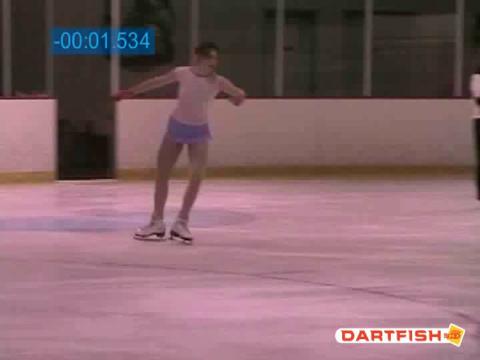
Play the top video first to see the jump being analyzed.
Sorry, this content is for members only.Click here to get access.
Already a member? Login below… |
Add to “My Favorites” (Beta testing)Great presentation, and excellent observation.
Chris, You’re a total genius!
Chris, thanks so much for your time! We all appreciate your expertise. All of your suggestions are great and I can use them on my students just learning a double salchow!
thanks for the video. You recommend kids not repeating just trying the triples cheated until they become fully rotated but instead doing them in a harness. What if u have a coach that doesn’t use a harness? Or u r at a rink that doesn’t have that technology? What are your options? thanks!
In response to your question Tim, most top coaches DO have access to the technology that makes skating safer and easier to learn. With that said, I know many top coaches who ask their skaters to attempt new jumps even though they do not have the necessary air time. This typically results in a lot of falls, or the skater learns to land cheated and stay up. In either case it makes sense to limit attempts if the air time is not sufficient. With limited attempts the skater won’t take so many falls, and hopefully they won’t learn bad habits regarding cheated landings that they won’t be able to fix later. Working the double to get sufficient air time should be the top priority.
Leave a Reply to Trevor Cancel reply